-
Clothing & Options...
Heyas gang, I've been wondering if it's possible to edit/ morph exhisting outfits into something more my style and or add morphs to exhisting attire? Some outifts I've gotten have questionable matchings in areas that look a tad bit terrible and I'd like to be able to fix that. Secondly, skin/ outfits. Something like a red and silver sentai hero with a custom drawn skin imposed onto a figure. I work mostly with Genisis 8 figures and I have the latest Daz Studio and Hexagon 2.5. Any help is appriciated and forgive me if I asked a forbidden question in altering exhisting assests (still new to this stuff). Have a great day and happy rendering!
Pablo and Hans Genesis 9 HD Character BundlesNathan314631 said:
nonesuch00 said:
Thanks for reminding me I have the Pablo bundle on my wishlist & never bought it.
I've not tried it yet, but supposedly if you are a premier member you can transfers the Genesis 3, Genisis 8, and Genesis 8.1 models to Genesis 9. I for one am very curious as to how well the NutCracker Soldier would come out at the other end of that process as I've not triied it yet.
You definitely should get him. He's great.
I can transfer the shapes but they don't look the same to me. I have all the conversion tools (now what's the phrase... all the gear and no idea! :D) but I cant seem to get the same results as the original 8.1 versions. Also, as I've said previously, you can only convert the standard version, not the HD version unlss you are a PA. At least that's how I understand it so, the figures are always going to be smoother. If anyone has had success with either of the models though, do let me know.
I have the NutCracker Soldier but judging by my success rate on the more human characters, I'm probably not the best person to test this for you!
I forgot about not being able to transfer the HD versions. I'd like to see Pablo and some of the G8/G8.1 themes repeated in Genesis 9 as well. We get Wild West, Outer Space, and various Halloween type themes repeated quite often it seems.
Wild West Homes ?I have some other suggestions also for either interior furniture or the shelters that folks across the Western United States might have lived in or lived with as they first took possession of land to building a second or third home upgrade as money and supplies became more available via trains.
https://www.daz3d.com/storm-shelter - on the plains many started with homes in the ground. Helped with surviving tornados and weather.
https://www.daz3d.com/woodland-place - mountain areas with forests had trees to fell and this could stretch across from the SE US to Rockies to Pacific NW. Search your Runtime for 'wood' or 'cabin' to see what you have already.
https://www.daz3d.com/wild-west-outhouse - no home would be without this necessary item in the backyard. Some areas of the US still have to use it.
https://www.daz3d.com/victorian-house - an older model but any Victorian house was being built in towns/cities in the West. Other styles, like the Painted Ladies of San Francisco are still in use and much loved. Families who made it rich in the Gold mines wanted to flaunt it.
Furniture for those homes, my father's family homesteaded in Iowa and many pieces like reflected below have been passed down to our current generations:
https://www.daz3d.com/victorian-secretaire
https://www.daz3d.com/victorian-desk-and-chair
https://www.daz3d.com/victorian-decor-3-iray
https://www.daz3d.com/victorian-decor-2-iray
https://www.daz3d.com/victorian-decor-1-iray
https://www.daz3d.com/timeless-victorian-bedroom
https://www.daz3d.com/the-blue-room-iray-for-victorian-decor-2-3
https://www.daz3d.com/symphony-for-reflections-victorian-bedroom
https://www.daz3d.com/reflections-victorian-desk
https://www.daz3d.com/reflections-victorian-bedroom
https://www.daz3d.com/victorian-decor-2-iray
Many families had land outside of the towns, so wagons and horses were musts, so https://www.daz3d.com/the-old-barn was the equivalent of our garages. The nice thing about this product is it has an aging morph.
Gen 9 expressions don't work?As I'm finishing up one project and starting another, I thought I'd move over to G9. But I'm running into a problem where expression morphs aren't working. For example, using the G9 Expressive "Grin" morph, I go from the default shot below, to the "morphed" shot. The only thing that changes are her eye lids. This is happening with about 98% of the G9 morphs I've bought. Any insight?

 Workaround for G8 SBH Auto-Fit failure to G9
UncannyValet said:
If you dont want to make it again, you have two options:
Option 1: Export and rig using transfer utility
Dial up clone morph on G8/G9 as required so both donor and acceptor figure are same shape. Export the G8 SBH with Tesselation Sides value =1. On obj exporter dialogue ensure Write Polylines is checked. Import the exported obj back into Daz. Use Transfer Utility to transfer from Source (Genesis 9*) rigging to the Target (Imported SBH obj), setting shape to Current for both. If the Genesis 9 figure is not at default shape (e.g., if you have dialled in a clone shape on the Genesis 9 figure or any other active morph), you will need to set Reverse Source Shape from Target (or whatever it is called) in the Transfer Utility advanced options.
*Or Genesis 9 haircap instead of Genesis 9 figure.
Option 2: Genesis 8 Skinsuit on Genesis 9
Create a skinsuit for Genesis 9 made out of Genesis 8's skin such that Genesis 9 will wear Genesis 8. You can equip the Editable SBH Object to the Genesis 8 wearable skinsuit since geomery of G8 is conserved.
Again, you will use Transfer Utility to transfer Genesis 9 rigging to Genesis 8. Again, they will need to be the same shape before you run Transfer Utility.
I have not tested if Option 2 actually works...
I did end up making it from scratch again (better than before so no harm no foul) but I'll keep these in mind for other things, thanks!
Shape Transfer DAZ Premier and other thingsHi Leo04! You can check YouTube for the tutorial for shape transfer, pose converter(check the 'read me' that comes with) and Render Que which have been available for a couple of months. The free shapes/characters should be available through Install Manager and a coupon should appear every month if you have Primium tier for your free character bundle
Freebie Challenge May 2025 - "To Be Beautiful" - Main ThreadHalcon Bluesky said:
To Be Beautiful
Is a notion of a woman’s beauty defined role of being a
Girlfriend, Feisty
Fiancee, Lover
Wife, Princess
Mother, Queen
Some are gifted with several talents
Caring, Honesty, Honor, Joyful, Loyalty, Patience, Wisdom
It’s a Bold statement
It’s not just the external appearance that men should seek in a Woman
It’s the inner beauty most important attribute
That’s what means To Be Beautiful!
Items used for May 2025 Daz Freebie Contest
Free
HXD Gina for Genesis 9 Female by Hyxod
https://www.renderhub.com/hyxod/hxd-gina-for-genesis-9-female
Bimbo Lips Morph for G9 by XR71
https://www.renderhub.com/xr71/bimbo-lips-for-g9
Drothari's Silkstone Hair by Herhey
https://www.renderhub.com/herhey/drotharis-silkstone-hair
dForce Shirt Dress Outfit for Genesis 9 by yuke
https://www.renderhub.com/yuke/dforce-shirt-dress-outfit-for-genesis-9
Cross Suspender Pantyhose for G9 by yomiuri
https://www.renderosity.com/freestuff/items/98600/cross-suspender-pantyhose-for-g9
Classic - Fashionable - Modest Pumps by pjz99/Excessive
https://www.renderosity.com/freestuff/items/87897/classic-fashionable-modest-pumps
https://www.renderhub.com/excessive/cfm-pumps-g8f
Everyday Hair Style for Genesis 8 Male(s) by zoro_d
https://www.renderosity.com/freestuff/items/80194/everyday-hair-style-for-genesis-8-males
B&B Bedroom For DAZ by Shredder
https://www.renderhub.com/shredder/bb-bedroom-for-daz
EVERYPlant Romantic Rose Bouquet for Daz by EVERYPlant
https://www.renderosity.com/freestuff/items/98241/everyplant-romantic-rose-bouquet-for-daz
No Count
Genesis 9 Base Figure
Ty for Genesis 9
These garment are not shown in render, just to give lift to the base figure
G9 Base Bra
G9 Base Bikini
G8 Basic Wear MuscleShirt
G8 Basic Wear Briefs
Paid
Rococo Revival Furniture and Poses for Genesis 9, 8 and 8.1 Female (Pose)
https://www.daz3d.com/rococo-revival-furniture-and-poses-for-genesis-9-8-and-81-female
dForce HnC24 Basic Suit Outfits for Genesis 9
https://www.daz3d.com/dforce-hnc24-basic-suit-outfits-for-genesis-9
Portrait Lights
https://www.daz3d.com/portrait-lights
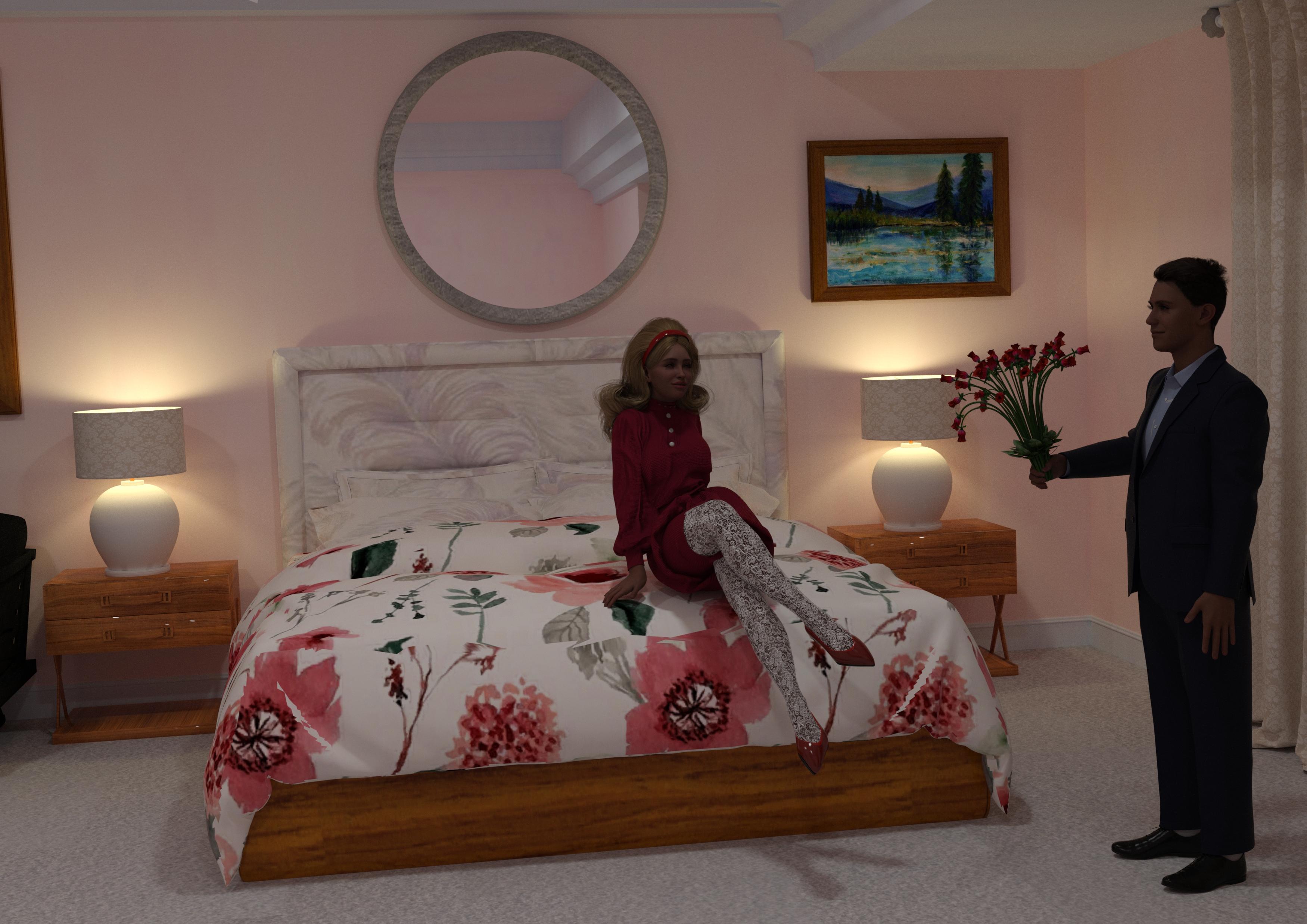
Entry is approved!
and since it's already in the main thread you don't have to do anything further
 Freebie Challenge May 2025 - "To Be Beautiful" - Main Thread
To Be Beautiful
Is a notion of a woman’s beauty defined role of being a
Girlfriend, Feisty
Fiancee, Lover
Wife, Princess
Mother, Queen
Some are gifted with several talents
Caring, Honesty, Honor, Joyful, Loyalty, Patience, Wisdom
It’s a Bold statement
It’s not just the external appearance that men should seek in a Woman
It’s the inner beauty most important attribute
That’s what means To Be Beautiful!
Items used for May 2025 Daz Freebie Contest
Free
HXD Gina for Genesis 9 Female by Hyxod
https://www.renderhub.com/hyxod/hxd-gina-for-genesis-9-female
Bimbo Lips Morph for G9 by XR71
https://www.renderhub.com/xr71/bimbo-lips-for-g9
Drothari's Silkstone Hair by Herhey
https://www.renderhub.com/herhey/drotharis-silkstone-hair
dForce Shirt Dress Outfit for Genesis 9 by yuke
https://www.renderhub.com/yuke/dforce-shirt-dress-outfit-for-genesis-9
Cross Suspender Pantyhose for G9 by yomiuri
https://www.renderosity.com/freestuff/items/98600/cross-suspender-pantyhose-for-g9
Classic - Fashionable - Modest Pumps by pjz99/Excessive
https://www.renderosity.com/freestuff/items/87897/classic-fashionable-modest-pumps
https://www.renderhub.com/excessive/cfm-pumps-g8f
Everyday Hair Style for Genesis 8 Male(s) by zoro_d
https://www.renderosity.com/freestuff/items/80194/everyday-hair-style-for-genesis-8-males
B&B Bedroom For DAZ by Shredder
https://www.renderhub.com/shredder/bb-bedroom-for-daz
EVERYPlant Romantic Rose Bouquet for Daz by EVERYPlant
https://www.renderosity.com/freestuff/items/98241/everyplant-romantic-rose-bouquet-for-daz
No Count
Genesis 9 Base Figure
Ty for Genesis 9
These garment are not shown in render, just to give lift to the base figure
G9 Base Bra
G9 Base Bikini
G8 Basic Wear MuscleShirt
G8 Basic Wear Briefs
Paid
Rococo Revival Furniture and Poses for Genesis 9, 8 and 8.1 Female (Pose)
https://www.daz3d.com/rococo-revival-furniture-and-poses-for-genesis-9-8-and-81-female
dForce HnC24 Basic Suit Outfits for Genesis 9
https://www.daz3d.com/dforce-hnc24-basic-suit-outfits-for-genesis-9
Portrait Lights
https://www.daz3d.com/portrait-lights
Freebie Challenge May 2025 - "To Be Beautiful" - Entries ThreadTo Be Beautiful
Is a notion of a woman’s beauty defined role for being a
Girlfriend, Feisty
Fiancee, Lover
Wife, Princess
Mother, Queen
Some are gifted with several talents
Caring, Honesty, Honor, Joyful, Loyalty, Patience, Wisdom
It’s a Bold statement
It’s not just the external appearance that men should seek in a Woman
It’s the inner beauty most important attribute
That’s what means To Be Beautiful!
Items used for May 2025 Daz Freebie Contest
Free
HXD Gina for Genesis 9 Female by Hyxod
https://www.renderhub.com/hyxod/hxd-gina-for-genesis-9-female
Bimbo Lips Morph for G9 by XR71
https://www.renderhub.com/xr71/bimbo-lips-for-g9
Drothari's Silkstone Hair by Herhey
https://www.renderhub.com/herhey/drotharis-silkstone-hair
dForce Shirt Dress Outfit for Genesis 9 by yuke
https://www.renderhub.com/yuke/dforce-shirt-dress-outfit-for-genesis-9
Cross Suspender Pantyhose for G9 by yomiuri
https://www.renderosity.com/freestuff/items/98600/cross-suspender-pantyhose-for-g9
Classic - Fashionable - Modest Pumps by pjz99/Excessive
https://www.renderosity.com/freestuff/items/87897/classic-fashionable-modest-pumps
https://www.renderhub.com/excessive/cfm-pumps-g8f
Everyday Hair Style for Genesis 8 Male(s) by zoro_d
https://www.renderosity.com/freestuff/items/80194/everyday-hair-style-for-genesis-8-males
B&B Bedroom For DAZ by Shredder
https://www.renderhub.com/shredder/bb-bedroom-for-daz
EVERYPlant Romantic Rose Bouquet for Daz by EVERYPlant
https://www.renderosity.com/freestuff/items/98241/everyplant-romantic-rose-bouquet-for-daz
No Count
Genesis 9 Base Figure
Ty for Genesis 9
These garment are not shown in render, just to give lift to the base figure
G9 Base Bra
G9 Base Bikini
G8 Basic Wear MuscleShirt
G8 Basic Wear Briefs
Paid
Rococo Revival Furniture and Poses for Genesis 9, 8 and 8.1 Female (Pose)
https://www.daz3d.com/rococo-revival-furniture-and-poses-for-genesis-9-8-and-81-female
dForce HnC24 Basic Suit Outfits for Genesis 9
https://www.daz3d.com/dforce-hnc24-basic-suit-outfits-for-genesis-9
Portrait Lights
https://www.daz3d.com/portrait-lights
Edit: This later has been included in the list of paid items, it may be activated or not in the scene pane, just to be safe I have put this detail.
Also I believe there is no need to make any additonal adjustment to the render image, otherwise let me know.
 Pablo and Hans Genesis 9 HD Character Bundles
nonesuch00 said:
Thanks for reminding me I have the Pablo bundle on my wishlist & never bought it.
I've not tried it yet, but supposedly if you are a premier member you can transfers the Genesis 3, Genisis 8, and Genesis 8.1 models to Genesis 9. I for one am very curious as to how well the NutCracker Soldier would come out at the other end of that process as I've not triied it yet.
You definitely should get him. He's great.
I can transfer the shapes but they don't look the same to me. I have all the conversion tools (now what's the phrase... all the gear and no idea! :D) but I cant seem to get the same results as the original 8.1 versions. Also, as I've said previously, you can only convert the standard version, not the HD version unlss you are a PA. At least that's how I understand it so, the figures are always going to be smoother. If anyone has had success with either of the models though, do let me know.
I have the NutCracker Soldier but judging by my success rate on the more human characters, I'm probably not the best person to test this for you!
Shape Transfer DAZ Premier and other thingsOkay, I bought into the Premium thing and have some questions.
Are there any tutorials on how to use the Shape Transfer, to get ealier versions of my characters into Genesis 9 as advertised?
What about Geometry Sculptor? Pose Converter? Render Que?
I have tinkered around and I can't find some of these things, and this was a big factor in deciding to put up the money to buy the Premier tier in the first place.
I hate to say this but I am feeling a little ripped off. Where are the supposed discounts, and freebies? Search as I might I have yet to see anything labled as such.
Am I just not understanding how it is labeled or it there some place to look?
Thanks.
File TransferHello,
I need proper help. I work with a Mac. I've had a new Mac for a year now. I can't move my DAZ Studio from my old Mac to my new one. The DAZ files are from a Mac Late 2013 to a Mac Pro 2023. So far, I haven't found a proper tutorial. I don't know why I can't just copy the DAZ files to other hard drives. I hope a Mac user from Berlin will get in touch and help me right away. I'm willing to pay, too. But I'd also be happy if someone from another side of the world could help me. Thank you in advance, and I'm waiting eagerly. Thank you very much,
Reza
Workaround for G8 SBH Auto-Fit failure to G9If you dont want to make it again, you have two options:
Option 1: Export and rig using transfer utility
Dial up clone morph on G8/G9 as required so both donor and acceptor figure are same shape. Export the G8 SBH with Tesselation Sides value =1. On obj exporter dialogue ensure Write Polylines is checked. Import the exported obj back into Daz. Use Transfer Utility to transfer from Source (Genesis 9*) rigging to the Target (Imported SBH obj), setting shape to Current for both. If the Genesis 9 figure is not at default shape (e.g., if you have dialled in a clone shape on the Genesis 9 figure or any other active morph), you will need to set Reverse Source Shape from Target (or whatever it is called) in the Transfer Utility advanced options.
*Or Genesis 9 haircap instead of Genesis 9 figure.
Option 2: Genesis 8 Skinsuit on Genesis 9
Create a skinsuit for Genesis 9 made out of Genesis 8's skin such that Genesis 9 will wear Genesis 8. You can equip the Editable SBH Object to the Genesis 8 wearable skinsuit since geomery of G8 is conserved.
Again, you will use Transfer Utility to transfer Genesis 9 rigging to Genesis 8. Again, they will need to be the same shape before you run Transfer Utility.
I have not tested if Option 2 actually works...
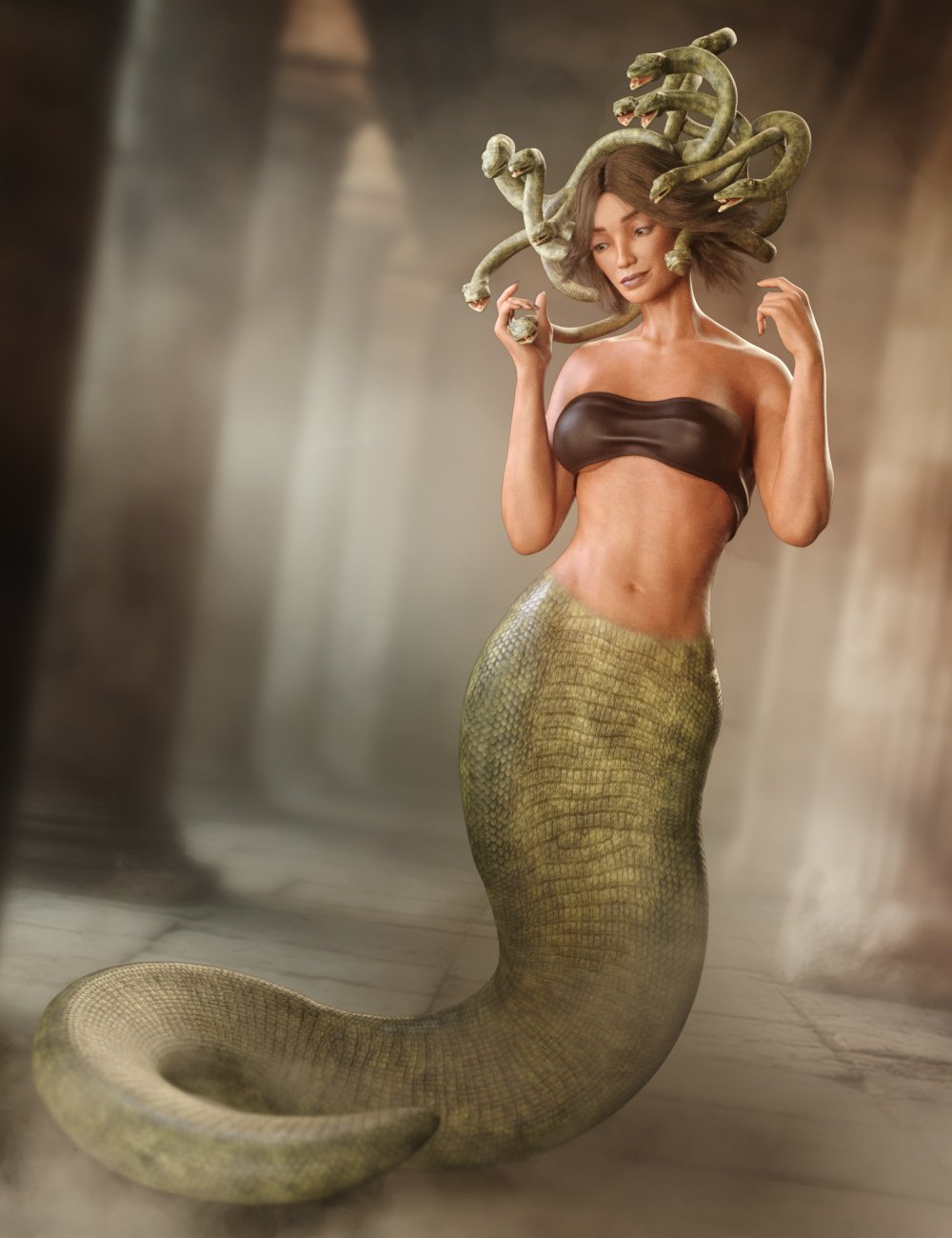
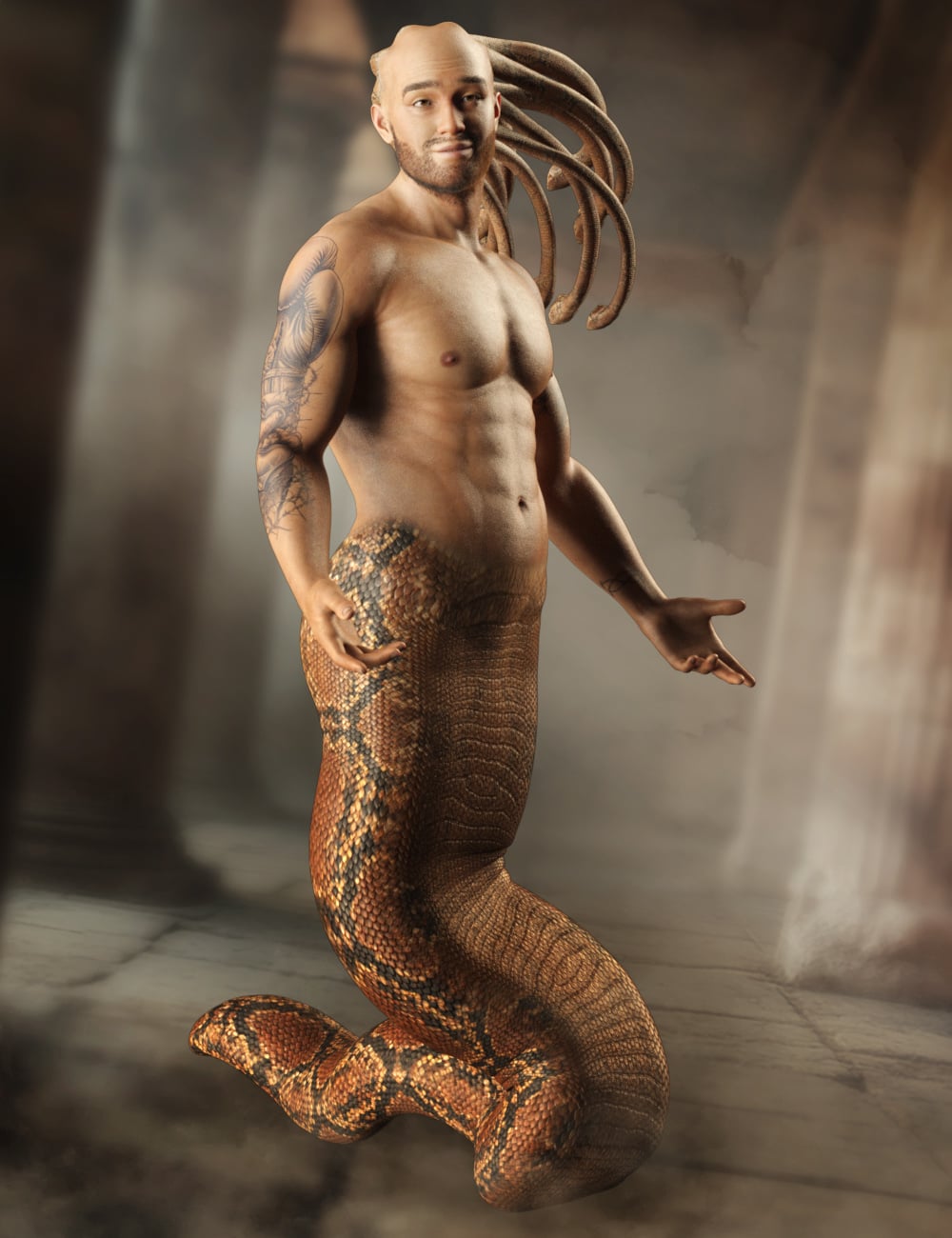
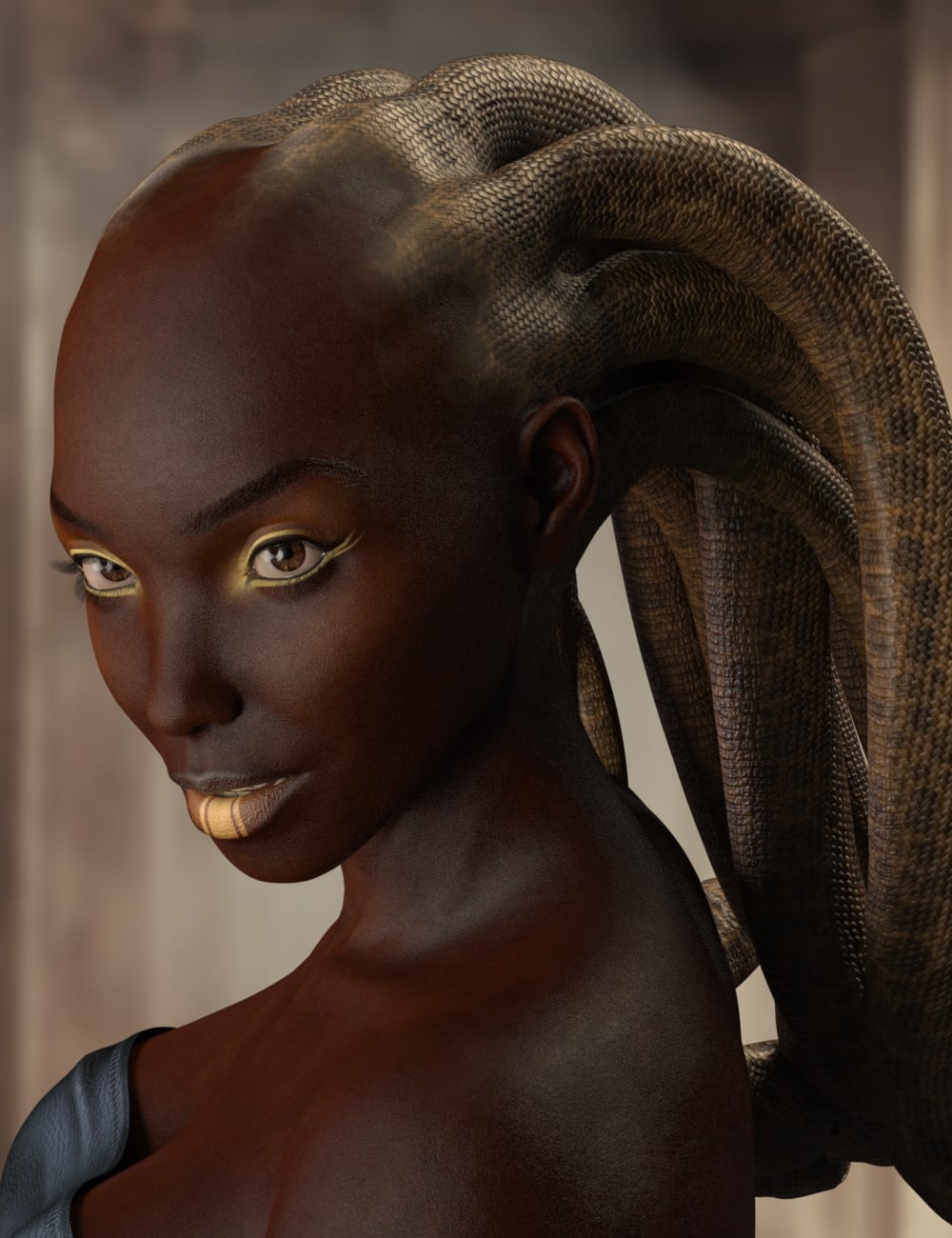
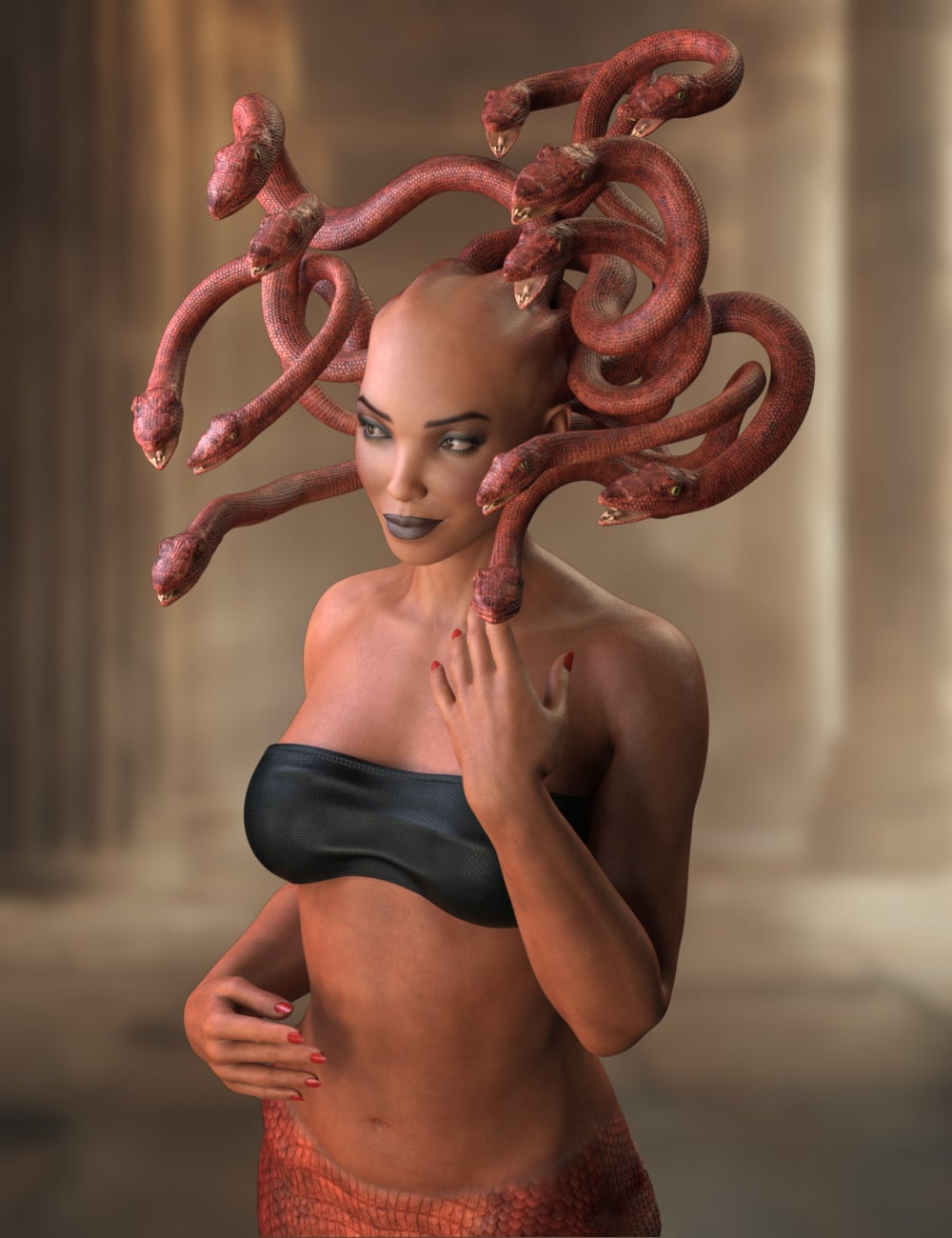
Medusae for Genesis 9Medusae for Genesis 9
https://www.daz3d.com/medusae-for-genesis-9
Unleash myth and menace with Medusa, a transformative 3D add-on set that lets you graft the iconic serpentine elegance of Medusa onto any of your favorite characters. Featuring a fully poseable snake-hair crown and a long, winding serpent tail, Medusae is designed for seamless integration with most Genesis 9 Characters (within reason). Ten distinct texture styles offer everything from classic snake scales to vibrant, otherworldly patterns, while an array of morph dials gives you full control of posing. Whether you're creating a cursed sorceress, a monstrous guardian, or a sci-fi serpent hybrid, Medusae brings powerful mythological flair and dynamic flexibility to your creations.
Medusae comes with High Definition morphs, Ultra Realistic textures, and Snake Head and Tail Geografts to enhance their reality.
90 Easy pose dials to simplify posing the head snakes, including 5 full style presets.
8 Full Tail easy pose dials for posing the snake body graft.
What's Included and Features
- Medusae for Genesis 9: (.DUF)
- One Medusae Wearable Parts Preset
- One Medusae Shaping Preset
- Material Options:
- Ten Skin Style Material Presets
- Addons:
- 01 Snake Head Geograft Preset
- 01 Tail Geograft Preset
- 02 Geoshell addons for seamless blending to other characters
 How can I modify clothing in blender which has multiple objects parented to it?
So I have learnt to sculpt and modify single piece clothing, but the one I want to modify now has 10 separate buttons attached as objects which will cause a vertice mismatch if I export the shirt with the buttons and then importing as a morph to the shirt.
I could export each individual button along with the base shirt and then import the morph for each individual item but that will be very time consuming, is there an easier way to do this?
Looking for a Loose fitting woman's vintage blouseThis is sort of like that: https://www.daz3d.com/mid-victorian-outfit-for-genesis-8-female-s, It has a "no jacket" morph that makes it a bit poofier, but looks silly if you don't use it with the included skirt. I don't know how it dforces, as I have never tried.
 Organizing Resale-Legal Morphs in Daz Studio: Seeking a Global, Scalable Workflow
As long as you include only settings (so that the original morph product is needed for them to do anything) then you can use any morph in character creation, though of course the more you use the more required products you have to list and the smaller your potential market.
By categories do you mean paths (groups) in the property listings? Yes, those are local settings - you could update the saved assets, but any update would overwrite your changes. You could save your own version of the figure, with favourites and paths, as a character preset and use that, rather than the default preset or a character, to load it any time you wanted to work on morphing.
The scripts here http://docs.daz3d.com/doku.php/public/software/dazstudio/4/referenceguide/scripting/api_reference/samples/start#products show how to access product information - that would help with identification, and you could add code to regroup the morphs on-the-fly, which would allow you to use any character preset and then turn it into one organised for creation work.
Organizing Resale-Legal Morphs in Daz Studio: Seeking a Global, Scalable Workflow"Organizing Resale-Legal Morphs in Daz Studio: Seeking a Global, Scalable Workflow"
Hi all,
I’ve been working to organize my morphs in Daz Studio in a way that lets me easily identify and use only those that are legally safe for resale — namely merchant resource (MR) morphs and the default Daz morphs from Genesis Starter Essentials. My end goal is to speed up character creation while keeping everything legally clean.
Here’s a breakdown of where I’m at and what I need help with:
WHAT I'M TRYING TO DO
• Build a streamlined workflow that lets me quickly locate morphs I’m allowed to use in models for resale.
• Include both:-
Merchant Resource morphs I’ve legally acquired.
-
Default Daz morphs that come with Genesis Starter Essentials (not for baking, but usable otherwise).
• Make this organization global, not just per-scene.
WHAT’S NOT WORKING
GLOBAL ORGANIZATION TOOLS ARE LACKING
Favorites, custom categories, etc. seem to be saved per scene or figure, not globally.
I want something that works across all projects — not just clever scene-specific workarounds that fall apart later.IDENTIFYING THE DEFAULT MORPHS IS A PAIN
Once you install additional content, it’s almost impossible to tell which morphs came from Genesis Starter Essentials.
I even installed Daz on a second PC with nothing but the Genesis base to try and isolate the defaults.
I created a model with all default morphs active for reference.
But Daz doesn’t give a built-in way to cleanly export or categorize these morphs globally.NO CLEAR LIST OF WHAT’S FREE AND USABLE FROM DAZ
Morphs like the “200+” set are easy to identify, but others from Genesis Starter Essentials — while technically usable if not baked — aren’t documented clearly anywhere that I can find.SCENE TAB ORGANIZATION IS A SECONDARY CONCERN, but if you have good solutions, I'm all ears.
Even when trying to keep things tidy in the Scene tab, parenting quirks or hierarchy bugs often make reusable setup a hassle.
If there’s a workaround for organizing without breaking things, I’d love to know.WHAT I'M LOOKING FOR
• A way to create and apply global morph categories — or at least some way to flag or filter resale-safe morphs persistently.
• A definitive list of all morphs included with Genesis Starter Essentials (or a reliable way to extract a list of them).
• Tips or tools for efficient MR morph management, ideally that don’t rely on guessing or manually checking every morph.
• Bonus: Any tricks for organizing the Scene tab without creating parenting/instancing issues when reusing content.WHAT I DON’T WANT
• I’m not looking for a “good enough” hack that falls apart after one project.
• I want something I can trust to work across my whole workflow — even if it takes some setup.Thanks so much in advance. Even partial solutions or references to threads or tools I may have missed would be a huge help!
Workaround for G8 SBH Auto-Fit failure to G9Richard Haseltine said:
Ideally work on a skullcap, not directly on the model. If this is not for redistribution you might be able to turn the ehad into a skull cap with the Geometry Editor, but I haven't tested to see if the hair would survive deleting the rest of the figure.
Welp, that was a negative. It didn't break or crash, but it seems to be the same sort of deal as when you use morph loader pro - it runs a comparison of the point count and if they don't match it bombs out.
Unless anyone has any other ideas, from scratch (with a skull cap!) it is!
Workaround for G8 SBH Auto-Fit failure to G9Richard Haseltine said:
Ideally work on a skullcap, not directly on the model. If this is not for redistribution you might be able to turn the ehad into a skull cap with the Geometry Editor, but I haven't tested to see if the hair would survive deleting the rest of the figure.
Might not even need to use the Geo Editor and risk the crash. Could probably delete the unused points in C4d and bring it in as an obj then transfer utility it, as long as I name the surface zones the same.
Daz 3D is part of

Connect
DAZ Productions, Inc.
7533 S Center View Ct #4664
West Jordan, UT 84084Licensing Agreement | Terms of Service | Privacy Policy | EULA
© 2026 Daz Productions Inc. All Rights Reserved.